01 / COLD EXPOSURE
Warm air does not mean warm water
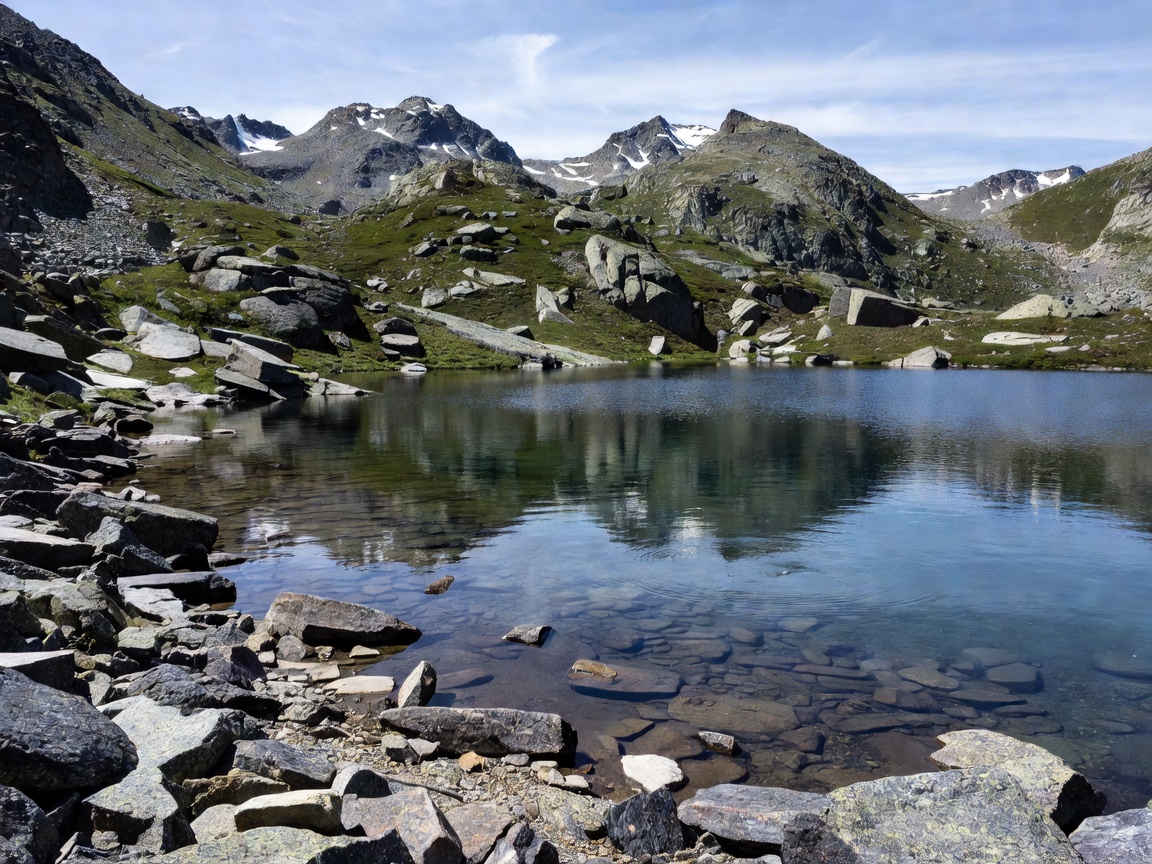
Mountain lakes may be fed by snowmelt, springs or cold inflows. Their water can stay cold when the shore feels warm. Conditions differ with altitude, depth, weather and season. Do not assume a lake is comfortable or suitable for swimming based on the temperature of the air or the appearance of the water.
Cold-water immersion can affect breathing, movement and judgement. A person may become impaired before recognising the change. Risk depends on the individual and the conditions. This guide does not set a safe temperature or immersion time. If you are unsure, do not enter. Follow relevant local safety guidance and seek qualified advice for personal health concerns.
Plan before arriving. Tell someone your intended location and return plan when the outing is remote. Consider whether you can exit quickly and safely. Avoid entering alone, especially in remote or cold water. A companion should remain attentive and able to get help rather than swimming far away at the same time.
02 / SHORE AND ENTRY
Inspect the whole way in and out
A visible patch of shoreline is not necessarily a usable entry point. Sloping slabs, loose stones, submerged ledges, plants and sudden depth changes can make entry and exit difficult. Wet rock may be slippery. Murky or reflective water can conceal underwater obstacles. Do not dive or jump unless the water depth and obstacles are known and local rules permit it; in unfamiliar alpine lakes, avoid both.
Look for an existing, permitted access point on durable ground. Check the route back to dry land before entering. Keep footwear and warm layers reachable. Do not trample vegetation or cross a protected margin to find a more convenient spot. If the edge is unstable, steep, crowded or difficult to leave, choose not to swim.
- Confirm swimming is allowed at this exact location.
- Check signs, shoreline closures and land-manager guidance.
- Look for a clear, uncomplicated exit before considering entry.
- Keep the swim close to shore and within your ability.
- Do not enter if visibility, weather or footing is concerning.
03 / WEATHER AND VISIBILITY
Read the surface and the sky
Mountain weather can shift. Wind can roughen exposed water, reduce comfort and make a return more difficult. Rain, thunder, falling temperatures or poor visibility can change the whole outing. Check a current local forecast before travel and continue to watch conditions on site. Leave the water early if weather changes. Do not treat a calm arrival as a promise that conditions will stay calm.
Water clarity varies. Reflections, shadow and glacial sediment can make depth hard to judge. Clear water also does not reveal every submerged hazard. Avoid entering where you cannot see a clear, safe route back to shore. Keep away from inflows, outlets and moving water unless local guidance specifically identifies safe access. Do not use colour or apparent clarity to estimate temperature or water quality.
Swimming rules may be set to protect habitats, manage public access or address local hazards. Restrictions can be seasonal or apply only to parts of a lake. Check current notices from the relevant authority or land manager. If reliable information is unavailable, do not assume permission.
04 / MAKE A CONSERVATIVE CHOICE
Set a plan that can stop early
Keep the outing flexible. Choose a dry-land alternative, carry warm layers and leave enough daylight for the walk back. Do not let group pressure, a long approach or a picturesque shore push you into water. Children and less confident swimmers need close, appropriate supervision. Do not rely on a phone or a flotation item as a substitute for sound judgement and local safety advice.
Good for
Use this guide to identify questions to answer before a possible swim: whether swimming is permitted, how the shore is reached, what cold exposure may involve, and what the exit plan is.
What to know
Water temperature, water quality, access, restrictions and hazards are location-specific and can change. This page provides no live conditions, permission or safety certification. Follow posted warnings and relevant local guidance. If there is doubt, stay out of the water.
Build the wider visit plan.
Confirm the route and access before you leave. Keep swimming optional, not the only purpose of the day.
Read trip planning guidance →Compare lake settings →