01 / PICK A SUITABLE PLACE
Start with the group and the access
Choose a lake setting after considering who is going, how they will travel and what they want to do. A short visit to an accessible shore is different from a high approach or a long walk. Compare terrain, route length, elevation, surface and exposure. Be realistic about the least experienced or least mobile member of the group. Ask for route-specific access information rather than assuming a destination will meet an access need.
Separate the desired experience from the exact location. If the first choice is closed, crowded or unsuitable, a second lake or lower route may still deliver a good day outdoors. Check whether the land is open to visitors and where access is permitted. Do not assume that a visible road, path or shoreline is public.
Consider whether swimming is part of the plan. Treat it as optional. Confirm permission and current local guidance before travel, then make the decision again at the shore. A plan should still work if water conditions, weather or access rule out swimming.
02 / TIME, SEASON, WEATHER
Check the day, not just the season
Season affects daylight, snow, ground conditions, services and restrictions. These effects vary by location and year. Do not rely on a usual opening month or last year’s report. Check current local notices for the date you intend to travel. Look for seasonal path or road limits, parking rules, protected-area guidance and service changes.
Use a current mountain forecast for the area and elevation of the route. Conditions can differ between a valley and a high shore. Check wind, precipitation, temperature, visibility and any relevant warnings. Recheck before departure and monitor conditions during the visit. If the forecast conflicts with the route, change the route or postpone.
Plan around daylight. Include travel to the starting point, walking time, pauses and the return. Published route durations are estimates, not guarantees. Set a turnaround time and tell someone your plan if travelling remotely. Keep a margin for navigation, delays and slower group pace.
03 / TRANSPORT AND STAY
Confirm the logistics directly
Check the current timetable with the transport operator if travelling by bus, rail or shuttle. Confirm the return service and any seasonal schedule. If driving, verify road access, parking rules and local restrictions with the responsible authority. Never depend on an old map or a search result to confirm an open road or available parking.
If an overnight stay is needed, check directly with the accommodation provider for current availability, access, cancellation terms and arrival details. This guide does not provide rates, opening hours or booking availability. Have a plan for late arrival or a transport disruption. Do not assume services are available near a remote lake.
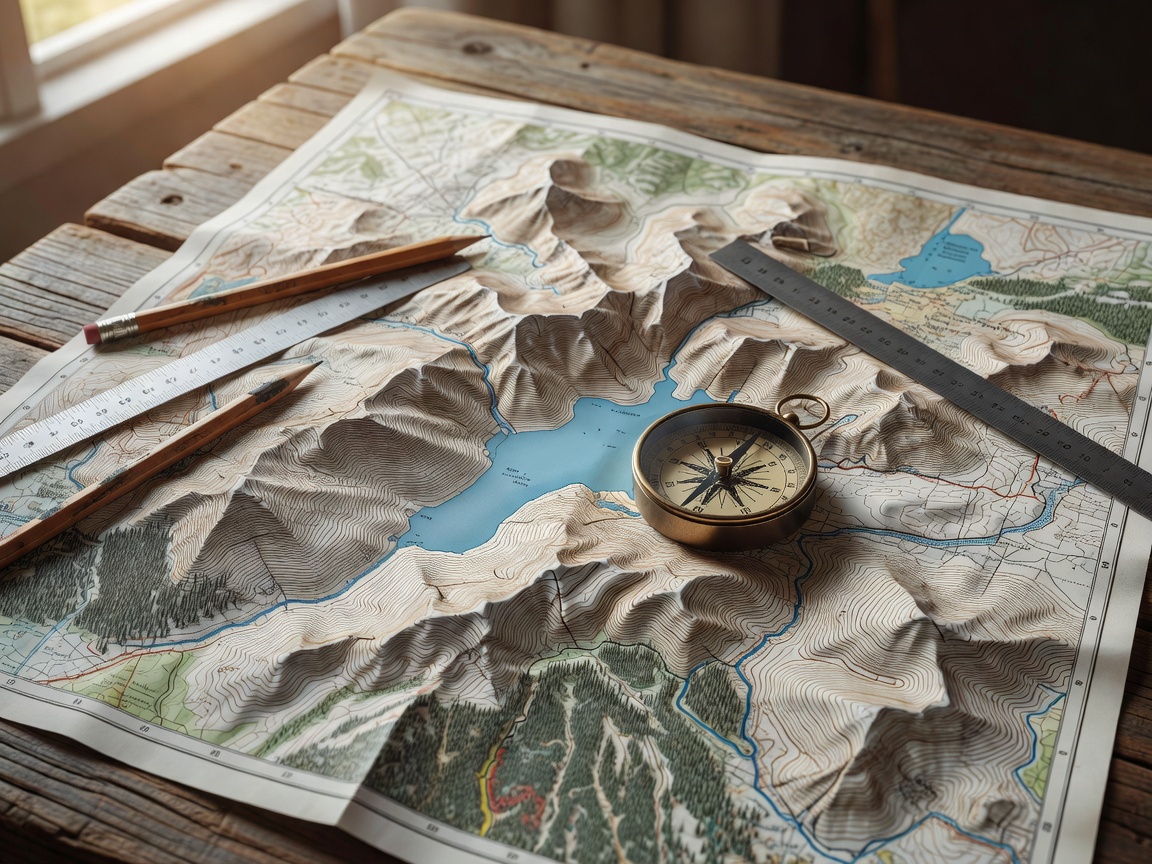
Save essential directions and contact details in a form you can access without reliable mobile coverage. Carry an appropriate map or navigation option and know how to use it. Make sure someone at home knows the return plan when the outing warrants it.
04 / EQUIPMENT AND BACKUP
Pack for the route you selected
Choose footwear and clothing for the terrain and forecast. Layers, rain protection, water, food, sun protection, a charged phone and navigation may be relevant. For a longer or remote route, consider what additional equipment and skills are appropriate. This is not a universal equipment list; tailor it to route details, group needs and current advice.
If swimming is being considered, bring dry warm layers and do not use that possibility to justify a route. Do not enter water when permission, conditions, entry or exit are uncertain. Seek locally relevant safety guidance and stay on shore if there is doubt.
Prepare a backup before leaving: a lower walk, shorter route, alternate permitted viewpoint or a return to the starting point. Check that the alternative is open and has a practical way to reach it. If weather worsens, access changes or anyone feels unwell, stop and adapt early.
- Confirm access, restrictions and transport on the travel date.
- Review the forecast for the route’s elevation.
- Carry navigation and a clear return plan.
- Keep the schedule flexible and daylight margin intact.
- Choose a backup that does not depend on the same risk.
05 / CAREFUL ARRIVAL
Leave the place as you found it
Use permitted parking and established paths. Carry out all waste, including food scraps. Follow local rules for dogs, fires, camping, drones and water access. Avoid disturbing wildlife or approaching nesting areas. Do not wash with soap or detergent in the lake. Respect quiet areas, private property and any posted closures.
Good for
This checklist is for visitors who need to turn an idea into a complete plan across season, transport, route, equipment and contingencies.
What to know
Weather, transport schedules, prices, accommodation availability, access and restrictions change. Confirm them with current local sources and providers. This guide is general information, not a booking service or live conditions feed.
Choose your planning layer.
Review destination setting, route effort and swimming considerations separately.
Compare lake settings →Review route choices →